
Sustainability is becoming a major consideration for UK brands when choosing how their products are packaged. In 2027, packaging will need to do more than protect a product and attract customers—it will increasingly need to support recyclability, reduce unnecessary materials and meet changing environmental expectations.
For businesses planning their next packaging project, understanding the latest Packaging Design UK trends can help create packaging that is both visually appealing and environmentally responsible.
- Recyclable Packaging Will Become the Priority
Recyclability is expected to play an even bigger role in packaging decisions in 2027. Under the UK’s Extended Producer Responsibility (EPR) system, packaging recyclability can influence producer fees, creating a financial incentive to use more recyclable designs.
Brands should consider materials such as recyclable paperboard, cardboard, glass and appropriately designed plastics. Packaging should also avoid unnecessary combinations of materials that can make recycling more difficult.
- Minimalist Packaging Will Reduce Material Waste
Less can often be more when it comes to sustainable packaging. Removing excessive layers, oversized boxes and unnecessary inserts can reduce material consumption while creating a cleaner visual identity.
UK packaging designers are increasingly likely to focus on simple structures, efficient sizing and designs that use only the material needed to protect the product.

- Reusable Packaging Will Gain Attention
Reusable packaging can help brands reduce single-use waste, particularly where products can be returned, refilled or repurposed. UK guidance states that reusable packaging should be designed for multiple uses and should meet appropriate end-of-life requirements after reuse.
For suitable products, refillable containers, durable boxes and returnable packaging systems can become part of a brand’s wider sustainability strategy.
- Clear Sustainability Communication
Consumers want to understand what happens to packaging after use. In 2027, brands should make recycling and disposal information simple and easy to understand.
Instead of relying on vague environmental claims, packaging can communicate practical information such as material type, recycling instructions and reuse options.
- Packaging Design Will Need to Consider Regulations
Sustainable packaging is not only a branding decision. UK businesses must also consider environmental responsibilities when designing, filling or importing packaging. The government’s RAM 2027 methodology requires relevant large producers to assess and report the recyclability of household packaging for the 2027 reporting year.
Designing with recyclability in mind from the beginning can therefore help businesses prepare for regulatory and cost considerations.
- Sustainable Design Will Become Part of Brand Identity
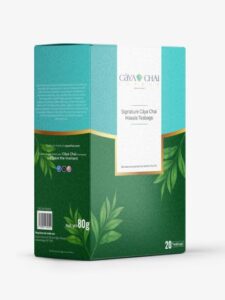
Packaging is one of the most visible expressions of a brand. Eco-conscious materials, restrained graphics and thoughtful structural design can communicate quality while reinforcing a company’s environmental values.
For businesses investing in Packaging Design UK, the goal should be to balance sustainability, functionality and strong visual branding rather than treating them as separate priorities.
Conclusion
The future of packaging design in the UK is moving towards recyclability, reduced material use, reusability and clearer sustainability communication. Businesses that consider these trends early can create packaging that meets customer expectations while preparing for the UK’s evolving environmental requirements.
In 2027, sustainable packaging will not simply be about looking environmentally friendly—it will be about designing smarter, more responsible packaging from the start.