GB Logo Design

Author: Rebecca Darcy

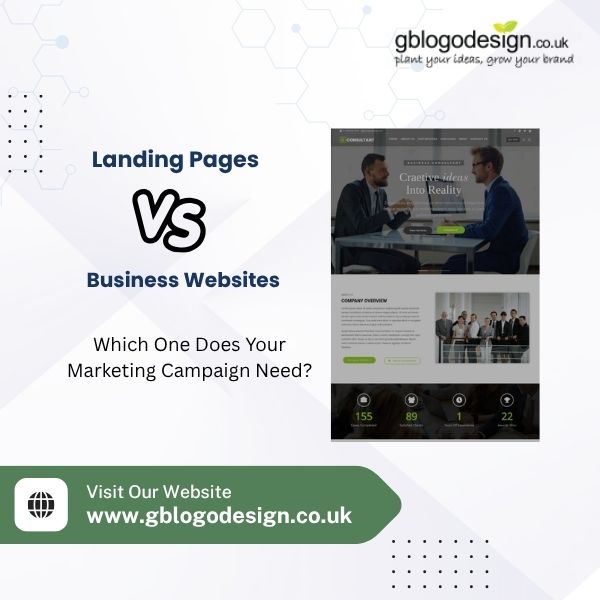
Landing Pages vs Business Websites
Website Design [blog]

Landing Pages vs Business Websites: Which One Does Your Marketing Campaign Need?

When planning a digital marketing campaign, choosing the right online platform can make a significant difference to your results. Should you direct potential customers to a dedicated landing page or your complete business website? The answer depends on your campaign objectives, target audience, and the action you want visitors to take. From professional Website Design to memorable Logo Design in London, creating a consistent online identity is essential for attracting customers and building trust.

What Is a Landing Page?

A landing page is a standalone web page designed to achieve one specific marketing goal. This could be generating leads, promoting a service, encouraging newsletter sign-ups, or driving product sales.

Unlike a traditional website, a landing page minimises distractions and focuses on a single call to action (CTA).

When should you use a landing page?

  • Paid advertising campaigns: Direct visitors from Google Ads or social media advertisements to a relevant offer.
  • Lead generation: Collect enquiries through a simple contact form.
  • Product or service launches: Highlight the key benefits of a new offering.
  • Limited-time promotions: Encourage visitors to act before an offer expires.

A well-designed landing page keeps the message focused, making it easier for visitors to understand the offer and take the next step.

What Is a Business Website?

A business website provides a broader overview of your company, services, expertise, and brand identity. It typically includes multiple pages, such as Home, About Us, Services, Portfolio, and Contact.

Unlike a landing page, a business website supports several customer journeys and provides visitors with the information they need to make informed decisions.

A business website is ideal for:

  • Building long-term brand credibility.
  • Showcasing multiple products or services.
  • Improving organic search visibility through SEO.
  • Sharing blogs, case studies, testimonials, and company updates.

Professional Website Design in the UK helps businesses create user-friendly websites that communicate their value, support search visibility, and encourage potential customers to explore their offerings.

Landing Pages vs Business Websites: Key Differences

The primary difference lies in their purpose. A landing page focuses on one conversion goal, while a business website supports broader brand awareness, information sharing, and customer engagement.

Feature

Landing Page

Business Website

Main purpose Campaign conversions Overall brand presence
Structure Usually, one page Multiple pages
Content Focused on one offer Covers multiple topics
Best suited for Targeted campaigns Long-term business growth
Navigation Minimal Multiple navigation options

Both can work together effectively. A business website establishes credibility, while campaign-specific landing pages help turn targeted traffic into enquiries or sales.

Which Option Should Your Business Choose?

If your immediate goal is to promote a specific offer or generate leads, a landing page may be the right choice. If you want to establish your online presence, showcase multiple services, and build long-term visibility, a business website is essential.

For many businesses, combining both delivers the best results. With strategic Website Design in the UK and distinctive Logo Design, GB Logo Design can help businesses create a consistent digital presence that supports their marketing goals and encourages lasting customer relationships.
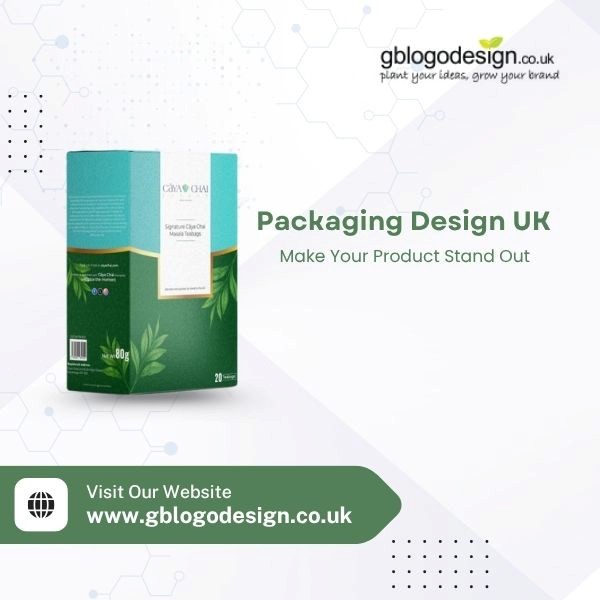
Packaging Design UK
Packaging Design

Create Eye-Catching Packaging That Makes Your Product Stand Out

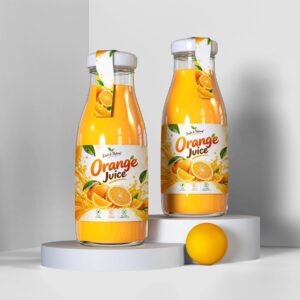
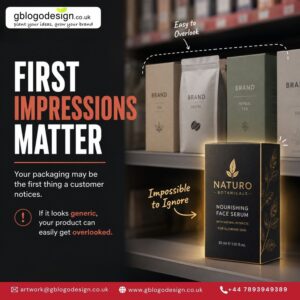
Packaging is often the first thing customers notice about a product. Before they learn about your brand or try the product, they see its colours, typography, images and overall presentation. This makes professional packaging an important part of how your product attracts attention and communicates your brand.

If you are looking for Packaging Design UK services, the aim should be more than creating an attractive package. Effective packaging should reflect your brand, communicate your product clearly and help it stand out from competitors.

Why Is Professional Packaging Design Important?

Good packaging can influence how customers perceive your product. A professional design can make a product look more trustworthy, memorable and appealing while creating consistency across your brand.

Effective packaging can help you:

  • Create a strong first impression
  • Make your product more recognisable
  • Communicate important information clearly
  • Differentiate your product from competitors
  • Strengthen your overall brand identity
  • Create a more professional customer experience

Portfolio 1

What Makes Good Packaging Design?

Packaging design involves more than placing a logo and product name on a box or label. Every element needs to work together.

Strong Brand Identity

Your packaging should match your existing brand identity. Consistent colours, fonts, logos and graphic elements can help customers recognise your products more easily.

Clear Information

Product information needs to be easy to find and read. A good design balances visual appeal with clear communication, ensuring important details don’t get lost in the layout.

Attractive Visuals

Colours, typography, photography and illustrations can influence how customers perceive a product. The design should suit both the product and its target audience.

Product Differentiation

Your product may be competing with similar products on shelves or online. Distinctive packaging can help attract attention and give your product a recognisable visual identity.

When Should You Redesign Your Packaging?

A packaging redesign can be useful when your current packaging looks outdated, your brand identity has changed, your product range has expanded or your packaging no longer reflects the quality of your product.

A professional redesign can give an established product a fresh appearance while maintaining important elements of your existing brand.

Portfolio 2

Choose GB Logo Design for Packaging Design

At GB Logo Design, packaging is part of a wider range of professional graphic design services. The team creates custom designs based on each client’s requirements rather than relying on ready-made templates.

Your packaging can also be developed to work alongside your logo, stationery, website and other brand materials, helping create a consistent visual identity across your business.

Packaging Design UK

Give Your Product the Right First Impression

Packaging is more than a covering for your product. It is an important part of your brand presentation and can help customers recognise and remember your business.

If you need professional Packaging Design UK services for a new product, existing product range or packaging redesign, GB Logo Design can help create a bespoke design tailored to your brand.

Get in touch with GB Logo Design today to discuss your packaging design requirements.

Website Design UK
Website Design [blog]

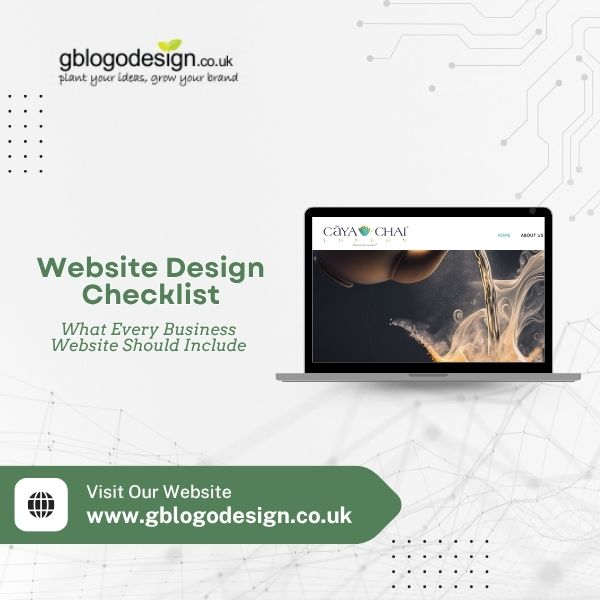
Website Design Checklist: What Every Business Website Should Include

A business website is often the first interaction a potential customer has with your brand. Whether you run a startup, professional service, or established company, your website needs to look professional, work smoothly, and communicate your value clearly. A well-planned approach to Website Design in the UK can help businesses create a strong online presence while turning visitors into customers.

Website Design UK

  1. Clear and Professional Branding

Your website should immediately communicate who you are. Use your logo, brand colours, typography, and visual style consistently across every page. A professionally designed logo creates recognition and makes your business appear more credible. If your existing branding needs an upgrade, exploring suitable Logo Design Packages in London can help create a visual identity that works across your website and marketing materials.

  1. Mobile-Friendly Design

A large number of people browse websites using smartphones and tablets. Your website should automatically adapt to different screen sizes without compromising readability or functionality.

Responsive design is therefore an essential part of modern Website Design in the UK. Buttons should be easy to tap, menus should be simple to navigate, and text should remain comfortable to read on smaller screens.

  1. Easy Navigation

Visitors should be able to find what they need without searching through complicated menus. Keep your navigation simple and organise important pages such as Home, About Us, Services, Products, Contact, and FAQs logically.

A clear structure improves user experience and can also help search engines understand and crawl your website more effectively.

  1. Valuable and Original Content

Your website should answer your audience’s questions and explain what makes your business different. Use concise headings, informative paragraphs, relevant images, and clear calls to action.

Avoid filling pages with unnecessary content. Instead, focus on information that helps visitors understand your products or services and encourages them to take the next step.

  1. Strong Calls to Action

Every business website should guide visitors towards an action. Depending on your goals, this could be Contact Us, Request a Quote, Book a Consultation, or Shop Now.

Place CTAs strategically throughout the website so visitors always know what to do next.

  1. Fast Loading and Secure Pages

Website speed matters. Slow-loading pages can frustrate users and increase bounce rates. Compress images, optimise website elements, and choose reliable hosting to improve performance.

Security is equally important. An SSL certificate and regular software updates can help protect your website and customer information.

  1. Consistent Visual Identity

Your website, social media profiles, business cards, and other marketing materials should feel like they belong to the same brand. Professional Logo Design Packages in London can provide versatile logo files and brand assets that maintain consistency across different platforms.

A successful business website combines attractive design, usability, strong content, mobile responsiveness, security, and consistent branding. Whether you are launching a new website or improving an existing one, following this Website Design in the UK checklist can help create a more professional digital presence. Pairing effective web design with the right Logo Design Packages in London can give your brand the consistency and credibility it needs to stand out online.

Also read: Boost Your UK Business Revenue with Smart Website Development Techniques

Sustainable Packaging Design
Packaging Design

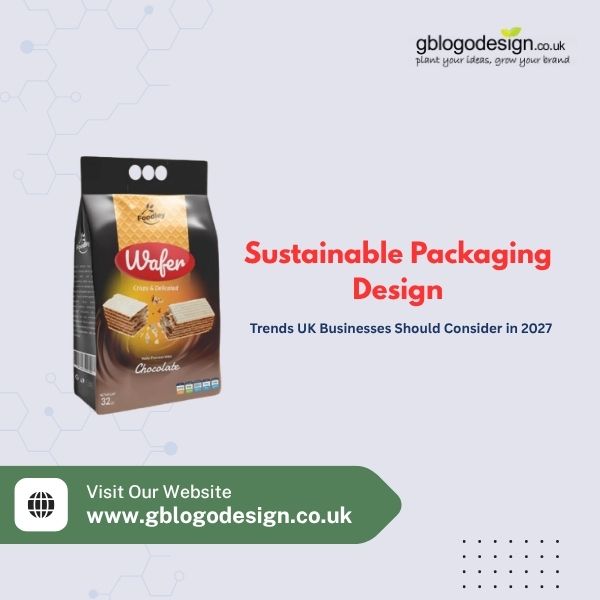
Sustainable Packaging Design: Trends UK Businesses Should Consider in 2027

Sustainability is becoming a major consideration for UK brands when choosing how their products are packaged. In 2027, packaging will need to do more than protect a product and attract customers—it will increasingly need to support recyclability, reduce unnecessary materials and meet changing environmental expectations.

For businesses planning their next packaging project, understanding the latest Packaging Design UK trends can help create packaging that is both visually appealing and environmentally responsible.

  1. Recyclable Packaging Will Become the Priority

Recyclability is expected to play an even bigger role in packaging decisions in 2027. Under the UK’s Extended Producer Responsibility (EPR) system, packaging recyclability can influence producer fees, creating a financial incentive to use more recyclable designs.

Brands should consider materials such as recyclable paperboard, cardboard, glass and appropriately designed plastics. Packaging should also avoid unnecessary combinations of materials that can make recycling more difficult.

  1. Minimalist Packaging Will Reduce Material Waste

Less can often be more when it comes to sustainable packaging. Removing excessive layers, oversized boxes and unnecessary inserts can reduce material consumption while creating a cleaner visual identity.

UK packaging designers are increasingly likely to focus on simple structures, efficient sizing and designs that use only the material needed to protect the product.

Packaging Design

  1. Reusable Packaging Will Gain Attention

Reusable packaging can help brands reduce single-use waste, particularly where products can be returned, refilled or repurposed. UK guidance states that reusable packaging should be designed for multiple uses and should meet appropriate end-of-life requirements after reuse.

For suitable products, refillable containers, durable boxes and returnable packaging systems can become part of a brand’s wider sustainability strategy.

  1. Clear Sustainability Communication

Consumers want to understand what happens to packaging after use. In 2027, brands should make recycling and disposal information simple and easy to understand.

Instead of relying on vague environmental claims, packaging can communicate practical information such as material type, recycling instructions and reuse options.

  1. Packaging Design Will Need to Consider Regulations

Sustainable packaging is not only a branding decision. UK businesses must also consider environmental responsibilities when designing, filling or importing packaging. The government’s RAM 2027 methodology requires relevant large producers to assess and report the recyclability of household packaging for the 2027 reporting year.

Designing with recyclability in mind from the beginning can therefore help businesses prepare for regulatory and cost considerations.

Packaging Design

  1. Sustainable Design Will Become Part of Brand Identity

Packaging is one of the most visible expressions of a brand. Eco-conscious materials, restrained graphics and thoughtful structural design can communicate quality while reinforcing a company’s environmental values.

For businesses investing in Packaging Design UK, the goal should be to balance sustainability, functionality and strong visual branding rather than treating them as separate priorities.

Conclusion

The future of packaging design in the UK is moving towards recyclability, reduced material use, reusability and clearer sustainability communication. Businesses that consider these trends early can create packaging that meets customer expectations while preparing for the UK’s evolving environmental requirements.

In 2027, sustainable packaging will not simply be about looking environmentally friendly—it will be about designing smarter, more responsible packaging from the start.

Branding on a Budget
Starting a Business [blog]

Branding on a Budget: A Startup’s Guide to Getting It Right First Time

Starting a business comes with plenty of expenses, so branding can easily feel like something to postpone. But your brand identity is often the first thing potential customers notice. The good news is that effective startup branding does not have to cost a fortune. With the right priorities, you can build a professional and memorable brand without overspending.

Start With Your Brand Strategy

Start With Your Brand Strategy

Before investing in colours, fonts or a logo, understand what your business stands for. Define your target audience, key services, personality and the message you want customers to remember.

A clear brand strategy helps you make consistent design decisions and prevents you from spending money on branding elements that do not support your business goals.

Invest in a Professional Logo

Your logo is one of the most visible parts of your brand. It appears on your website, social media profiles, packaging, business cards and marketing materials, so it needs to work across different platforms.

For London-based startups, professional Logo Design London services can help create an identity that looks credible while reflecting the character of the business. Instead of choosing a cheap template that looks similar to hundreds of other businesses, consider a distinctive logo designed around your brand.

Keep Your Visual Identity Simple

Keep Your Visual Identity Simple

You do not need dozens of colours or multiple typefaces to create a strong identity. Start with:

  • A primary logo and suitable variations
  • Two or three brand colours
  • One or two complementary fonts
  • A consistent image and graphic style

Keeping your visual identity simple makes branding easier to manage and can reduce design costs as your business grows.

Make Your Branding Consistent

A good logo alone will not create a strong brand. Your website, social media, email communications, advertisements and printed materials should feel like they belong to the same business.

Create basic brand guidelines that explain how to use your logo, colours, fonts and imagery. This small investment can prevent inconsistent designs later.

Spend Where It Matters Most

Spend Where It Matters Most

A startup does not need to purchase every branding service immediately. Prioritise the elements customers see most often. Your logo, website, social media presence and core marketing materials should look professional first.

As your business grows, you can gradually invest in packaging, photography, illustration, brochures and other brand assets.

Think Long-Term

The cheapest branding option is not always the most affordable in the long run. Rebranding after six months because your original logo no longer represents your business can cost more than getting the foundation right from the beginning.

Choose a visual identity that can grow with your company and remain relevant as your products, services and audience develop.

Conclusion

Great branding is about clarity, consistency and recognition—not simply how much you spend. By defining your strategy, investing in a professional logo and keeping your visual identity focused, startups can create a credible brand without an excessive budget.

For businesses looking to establish a strong identity from the beginning, working with experienced designers can make the branding process more focused, practical and effective.

Website Design UK
Website Design [blog]

Website Design UK in 2027: The Ultimate Guide for Businesses

The digital landscape is changing quickly, and businesses need more than an attractive website to compete online. In 2027, Website Design UK is expected to focus increasingly on performance, accessibility, artificial intelligence, user experience and search visibility.

For UK businesses, investing in a professional website is becoming an important part of building credibility and attracting customers.

  1. AI-Ready Website Design

AI-powered search is changing how people discover businesses online. Websites need to make their information easy for search engines and AI systems to understand.

Clear page structures, useful content, descriptive headings, structured data and technically accessible pages can help businesses improve their online visibility. Recent research also highlights the growing importance of making UK business websites easier for AI systems to read and interpret.

  1. Mobile-First Experiences

Customers increasingly browse websites from smartphones. In 2027, mobile-first design should be a fundamental part of every professional website.

A responsive website should provide easy navigation, readable content, fast loading and simple forms across smartphones, tablets and desktops.

  1. Faster Website Performance

Website speed will remain important for both users and search visibility. Heavy images, unnecessary scripts and poorly optimised pages can create frustrating experiences.

A modern Website Design UK strategy should consider performance from the beginning, including image optimisation, efficient code, reliable hosting and strong Core Web Vitals.

  1. Accessibility Will Matter More

Accessible website design helps more people use and understand online services. WCAG 2.2 provides recognised accessibility guidance, with UK public-sector websites required to meet relevant accessibility requirements.

Businesses should therefore consider readable typography, colour contrast, keyboard navigation, alternative text and accessible forms when designing new websites.

  1. Design Focused on Conversions

A visually impressive website is not enough if visitors cannot easily take action. Websites in 2027 should guide users towards meaningful actions such as making an enquiry, booking a service, requesting a quote or purchasing a product.

Clear calls to action, simple navigation, trust signals and well-designed landing pages can turn more visitors into potential customers.

  1. SEO and Website Design Will Work Together

Modern website design and SEO should not be treated as separate strategies. A well-structured website makes it easier for users, search engines and AI systems to understand the business.

Fast pages, logical navigation, useful content, mobile responsiveness and structured information can create a stronger foundation for organic visibility.

Build a Future-Ready Website

For businesses planning a new website or redesign in 2027, the focus should be on creating a website that is fast, accessible, mobile-friendly, SEO-ready, AI-readable and conversion-focused.

Professional Website Design UK can help businesses build a stronger digital presence while preparing for how customers will search and interact with brands in the future.

Choosing a Logo Design Company in the UK: 8 Things to Consider
Logo Design

Choosing a Logo Design Company in the UK: 8 Things to Consider

Your logo is often the first impression customers have of your business. Whether you’re launching a startup or rebranding an established company, choosing the right design partner is crucial. If you are searching for Professional Logo Design in London, understanding what makes a great logo design company can help you make the right decision.

  1. Review Their Portfolio

A professional logo design company should have a diverse portfolio showcasing creativity across different industries. Look for originality, versatility, and designs that reflect each brand’s unique identity rather than generic templates.

  1. Check for Custom Design Services

Avoid companies that rely on stock graphics or logo generators. A custom logo should be created from scratch to match your business values, target audience, and long-term branding goals.

  1. Compare Logo Design Packages

Not every business has the same budget. Compare Logo Design Packages in London based on the number of concepts, revisions, turnaround time, ownership rights, and file formats included—not just the price.

  1. Look for Unlimited Revisions

A great logo evolves through collaboration. Companies that offer unlimited revisions allow you to refine your design until it perfectly represents your brand.

  1. Verify Copyright Ownership

Ensure you will receive full copyright ownership once the project is complete. This gives you complete freedom to use your logo across websites, packaging, social media, and marketing materials.

  1. Read Customer Reviews

Client testimonials and ratings provide valuable insights into a company’s professionalism, communication, and reliability. Positive feedback is often a strong indicator of consistent service quality.

  1. Ask About File Formats

A professional logo should be delivered in scalable vector formats along with print- and web-ready files. This ensures your branding remains sharp and consistent across every platform.

  1. Choose Experience Over Cheap Prices

While affordability matters, experience delivers long-term value. An experienced design team understands branding, typography, colour psychology, and visual storytelling, helping your business stand out in a competitive market.

In a nutshell, selecting the right company for Professional Logo Design in London is not just about finding the lowest quote—it is also about investing in your brand’s future. By evaluating portfolios, comparing Logo Design Packages in London, checking customer reviews, and ensuring you receive a custom Logo Design in London, you will be better positioned to build a memorable and trustworthy brand.

At GB Logo Design, businesses benefit from bespoke logo designs, flexible packages, unlimited revisions, vector-ready files, and full copyright ownership—everything needed to create a distinctive brand identity that leaves a lasting impression.


Also read: 4 Budget-Friendly Logo Design Ideas for UK Startups

Choose the Right Logo Design Company
Logo Design

How to Choose the Right Logo Design Company in the UK

Your logo is often the very first thing a potential customer sees before they read a single word about your business. It sits on your website, your invoices, your shopfront, your social media profiles, and every piece of marketing you send out. Because it works so hard, choosing the right partner for Logo Design London businesses can trust is one of the most important decisions you will make when building your brand.

With so many freelancers, agencies, and “cheap logo in 24 hours” websites competing for your attention, it can be difficult to know who will actually deliver a design that represents your business properly. This guide walks you through exactly what to look for when hiring a Business Logo Design London company, so you can make a confident, informed decision.

Why Your Choice of Logo Design Company Matters

A logo isn’t just a pretty picture — it’s a visual shorthand for everything your business stands for. Studies consistently show that companies who invest properly in their brand identity in the early stages tend to build stronger customer trust and survive longer through the competitive startup and growth phases.

Choose the wrong provider and you could end up with a generic, clip-art style design that looks like hundreds of other logos online. Choose the right one, and you get a bespoke identity that helps your business stand out, builds recognition, and grows in value as your company grows. This is exactly why so many startups and established businesses search specifically for Logo Design London experts rather than settling for a template-based logo maker.

  1. Look for Bespoke, Custom Design Work

The first and most important thing to check is whether a company creates completely original artwork from scratch, or whether they rely on templates, clip art, and pre-made icon libraries.

A genuine Business Logo Design London company should:

  • Build your logo from the ground up based on a brief about your business
  • Avoid recycled clip art or stock logo elements
  • Offer a design that is unique to your brand and not resold to anyone else
  • Provide vector files so your logo scales perfectly from a business card to a shop sign

If a company can’t clearly explain their design process, that’s a warning sign that you may be getting a mass-produced result rather than a true custom identity.

  1. Check Their Portfolio and Reviews

Before committing, spend time browsing a company’s previous work. A strong portfolio should show variety — different industries, different styles, and different types of businesses — which proves the designers can adapt to your brand rather than pushing the same look on every client.

Alongside the portfolio, check independent review platforms such as Trustpilot or Google Reviews. Genuine, detailed reviews from real UK businesses are far more reliable than testimonials placed only on the company’s own website. A consistently high rating built on volume, not just a handful of hand-picked quotes, is a good sign you’re dealing with an experienced Logo Design London provider.

  1. Understand What’s Included in the Package

Logo design pricing across the UK varies enormously, from £20 gigs on freelance marketplaces to several thousand pounds at large branding agencies. Price alone doesn’t tell you much — what matters is what’s actually included. Before you commit, ask:

  • How many initial concepts will you receive?
  • Are revisions and edits included, or charged separately?
  • Do you get full copyright and ownership of the final design?
  • Will you receive print-ready and web-ready file formats (PNG, vector/EPS, PDF)?
  • What is the turnaround time?

A trustworthy Business Logo Design London company will be transparent about all of this upfront, ideally with clear, tiered packages so you can choose one that fits your budget without hidden extras appearing later.

  1. Prioritise Communication and Flexibility

Your logo should reflect your business, not just a designer’s personal style. That means the company you choose needs to actually listen to your brief, ask the right questions, and welcome feedback throughout the process.

Look for companies that offer:

  • A simple, structured brief form so you can explain your business, audience, and preferences
  • Direct communication via live chat, email, or phone rather than automated systems only
  • Unlimited or generous revision rounds, so you’re not stuck with the first draft
  • Willingness to explain their design choices and offer honest, professional advice

This kind of collaborative relationship is what separates a proper Logo Design London design studio from a low-cost, one-size-fits-all logo generator.

  1. Think Beyond the Logo Itself

Many businesses start out just wanting a logo, but quickly realise they also need matching business cards, letterheads, social media graphics, packaging, or signage. Choosing a company that offers a full suite of graphic and branding services means your visual identity stays consistent everywhere your business appears.

A well-rounded Business Logo Design London provider should be able to support you with:

  • Business card and stationery design
  • Website design that matches your new brand
  • Flyers, brochures, and print marketing
  • Signage and packaging design

Working with one team across your entire brand identity saves time, keeps your visuals consistent, and often works out more cost-effective than hiring multiple freelancers separately.

  1. Confirm You’ll Own the Final Design

This is a detail many business owners overlook. Always confirm, in writing, that you will receive full copyright and ownership of your finished logo once the project is complete. Without this, you could technically be restricted in how you use your own brand identity later on — which is a risk no growing business should take.

Final Thoughts

Choosing the right logo design company is about far more than finding the lowest price. It’s about finding a team who will take the time to understand your business, deliver original, professional artwork, communicate clearly throughout the process, and hand over full ownership of a design you can build your brand around for years to come.

If you’re searching for a reliable, experienced Logo Design London and Business Logo Design London company that creates 100% bespoke logos with unlimited edits, flexible packages, and full copyright ownership, GB Logo Design has been helping UK businesses build stronger brand identities since 1999. Get started today with a custom logo design brief, or view our packages to find the option that fits your business.

10 Business Card Design Mistakes to Avoid
Graphic Design [blog]

10 Business Card Design Mistakes to Avoid

Your business card is often the first physical touchpoint a potential client has with your brand. In a competitive UK market, a poorly designed card can undo months of hard marketing work in seconds. Whether you’re a startup or an established company, avoiding these common mistakes will help your card leave the right impression.

  1. Cluttered Layouts

Cramming too much text, icons, and colours onto one small card overwhelms the reader. Stick to the essentials: name, role, company, contact details, and a clean logo.

  1. Ignoring Brand Consistency

Your business card should reflect the same colours, fonts, and logo style as your website and other marketing materials. Inconsistent branding confuses customers and weakens recognition.

  1. Poor Quality Logo

A blurry, pixelated, or amateur logo instantly damages credibility. Investing in professional Business Logo Design London ensures your card looks sharp both in print and digitally.

  1. Hard-to-Read Fonts

Decorative or overly stylised fonts might look creative, but if clients can’t read your phone number or email, the card fails its basic purpose. Prioritise legibility over flair.

  1. Low Contrast Colour Choices

Light grey text on a white background or similar low-contrast combinations make cards difficult to read, especially in dim lighting. Choose colour pairings that are bold and clear.

  1. Skipping Bleed and Margins

Text or images cut off at the edges look unprofessional and are a common printing error. Always design with proper bleed and safe margins to avoid awkward trims.

  1. Using Outdated Contact Information

It sounds obvious, but many businesses print cards with old phone numbers, email addresses, or social handles. Double-check every detail before ordering a large batch.

  1. One-Sided Design

The back of your card is valuable real estate. Leaving it blank wastes an opportunity to add a tagline, QR code, or social media handles that support your brand story.

  1. Cheap Paper Stock

Even the best design suffers on flimsy, low-quality card stock. A thicker, textured, or matte-finish card communicates professionalism and quality before a word is read.

  1. DIY Design Without Expert Input

Free templates and DIY tools might save money upfront, but they rarely produce a distinctive, memorable result. Partnering with experienced designers ensures your card stands out for the right reasons.

Final Thoughts

Your business card is a small canvas with a big job: making people remember you. Avoiding these design pitfalls will help your brand look polished, credible, and professional from the very first handshake.

At GB Logo Design, we specialise in bespoke branding solutions, including business card design and Business Logo Design London, tailored to help your business make a lasting impression. Get in touch today to create a business card that truly represents your brand.

AI Logo Makers vs Professional Designers
Logo Design

AI Logo Makers vs Professional Designers: Which Creates Better Branding?

Every business owner reaches the same crossroads eventually: you need a logo, and you need to decide how to get one. Type a few words into an AI generator and get something in thirty seconds? Or work with a professional designer who asks questions, sketches concepts, and refines the result over days? Both routes promise a finished logo. Only one of them delivers a brand.

With AI logo tools flooding the market, it’s worth pulling apart what these platforms actually offer versus what a professional design studio brings to the table — especially if you’re a business searching for reliable Logo Design London services and want a mark that actually works for you long-term.

How AI Logo Makers Work

AI logo generators ask you a handful of questions — your business name, industry, and a couple of style preferences — then generate a set of logos in seconds using pre-built templates and icon libraries. The appeal is obvious: it’s fast, it’s cheap, and you get instant results without booking a single call.

But that speed comes from automation, not originality. Most AI tools are pulling from the same limited pool of shapes, fonts, and icon combinations used by thousands of other businesses worldwide. The logo you get today could be strikingly similar to one a competitor generates tomorrow, simply because the underlying system is recombining the same building blocks.

How Professional Designers Work

A professional designer starts differently — with a conversation. What does your business actually do? Who are you trying to reach? What do your competitors’ logos look like, and how do you want to stand apart from them? This groundwork shapes every decision that follows, from colour palette to typography to the shape of the icon itself.

From there, a skilled designer sketches multiple concepts, tests how each one performs at different sizes, on different backgrounds, and across different applications — your website, packaging, signage, social media, and print materials. The final logo isn’t just a nice-looking image; it’s a considered piece of visual communication built specifically for your brand. That’s the difference a proper Business Logo Design London service provides — a mark created for your business, not pulled from a template library.

Originality: Template vs Tailored

This is where the two approaches diverge most sharply. AI tools work from a finite set of assets, which means true originality is nearly impossible to guarantee. Two unrelated businesses in different cities can end up with near-identical logos without either one knowing.

A professional designer, by contrast, builds your logo from scratch — original artwork, developed specifically around your brand, your name, and your industry. It’s the reason genuinely custom design services often make a point of saying they don’t use free logo makers or stock clip art. Your logo should belong to your business alone.

Strategic Thinking vs Automated Output

An AI tool doesn’t understand your business — it processes inputs and produces outputs based on statistical patterns. It has no concept of what makes your industry competitive, no awareness of design trends specific to your sector, and no ability to explain why a particular shape or colour choice will resonate with your target audience.

A professional designer brings actual reasoning to the table. They understand colour psychology, they know how typography influences trust and perception, and they can explain the logic behind every element of your design. That strategic layer is what separates a logo that simply exists from one that actively builds recognition and credibility for your brand.

Flexibility and Revisions

Most AI logo generators offer limited editing — swap a colour, try a different font, maybe adjust the layout slightly. If none of the generated options feel right, your only real option is to keep regenerating and hoping for a better result.

Working with a professional design team means real collaboration. You can request changes, explain what isn’t working, and refine the concept until it genuinely fits your vision. Packages that include unlimited edits and revisions exist precisely because good branding is rarely nailed on the first attempt — it’s a process of getting closer to the right answer, together.

File Quality and Usability

This is a detail many business owners overlook until it becomes a problem. AI logo makers often provide low-resolution files or lock high-quality vector formats behind a subscription or upsell. If you ever need to resize your logo for a large sign, embroider it on uniforms, or send it to a printer, a low-quality file simply won’t hold up.

Professional designers typically supply full vector files (AI, EPS, SVG) alongside web-ready formats, meaning your logo scales cleanly from a favicon to a shopfront sign without losing quality. You also get full ownership and copyright of the final design — something not every AI platform guarantees.

Cost: The Real Comparison

Yes, AI logo makers are cheaper upfront, sometimes even free. But price only tells half the story. A generic, template-based logo can quietly cost you more in the long run — through weak brand recall, a design that needs replacing within a year, or a mark that simply doesn’t differentiate you from competitors using the same tool.

Professional logo design is an investment in your business’s long-term identity. Affordable, flexible packages — like tiered options offering multiple concepts, fast turnaround, and unlimited revisions — make working with a real designer far more accessible than most business owners expect.

So, Which Should You Choose?

If you need a placeholder logo for a personal side project or a very early-stage test, an AI tool might get you by for now. But if you’re building a business you intend to grow, market, and compete with, a professionally designed logo is the stronger long-term choice. It’s original, strategically considered, flexible to work with, and built using files that will actually serve you as your business scales.

For UK businesses weighing up their options, working with an experienced Business Logo Design London team means your brand identity is shaped by real design expertise — not an algorithm guessing at what might look good.

Conclusion
AI logo makers have their place, but they were never built to create branding — they were built to create images quickly. Branding requires understanding, originality, and strategy, and that’s something only a human designer can genuinely offer.

If you’re ready to build a logo that actually represents your business, get in touch with our team or explore our Logo Design Packages London to get started with bespoke, professional Logo Design London services today.